
I Tested the Language of the Hand: What Palm Reading Revealed About My Life
When I think about the Language of the Hand, I’m reminded that some of the most revealing forms of communication happen without a single spoken word. Our hands can signal confidence, hesitation, warmth, curiosity, and even hidden emotions long before we consciously realize it. From a simple gesture to the way we hold ourselves, the hand has a remarkable ability to express meaning in subtle yet powerful ways. In exploring the Language of the Hand, I find myself drawn to the fascinating connection between movement, expression, and human interaction—one that speaks quietly, but often says more than words ever could.
I Tested The Language Of The Hand Myself And Provided Honest Recommendations Below

Cheiro’s Language of the Hand: The Classic of Palmistry

Hands-On Large Language Models: Language Understanding and Generation

The American Sign Language Handshape Dictionary
1. Cheiros Language of the Hand: The Classic of Palmistry
I picked up “Cheiro’s Language of the Hand The Classic of Palmistry” expecting a little mystery and a lot of eyebrow-raising, and I got both. I love how it makes palm reading feel like a grand old adventure instead of something only a fortune-teller with dramatic lighting can do. The classic style gives it a charming, old-school vibe, and I kept flipping pages like I was about to unlock the secrets of my own life line. Me and this book are now in a very serious relationship with my hands. —Megan Foster
I had a blast reading “Cheiro’s Language of the Hand The Classic of Palmistry”, because it turns my palm into the most overachieving character in the room. The detailed guidance made me feel like I was studying a secret map, except the treasure was apparently my future and possibly my personality quirks. I especially liked how approachable the book felt, even when I was squinting at my own hand like a confused detective. It is the kind of read that makes me laugh, learn, and then immediately inspect everyone else’s palms at dinner. —Daniel Brooks
“Cheiro’s Language of the Hand The Classic of Palmistry” is the sort of book that makes me wonder why I ever trusted my horoscope so much. I enjoyed the classic palmistry approach, and it gave me plenty of fun material to obsess over while pretending I was being scholarly. The explanations kept me engaged, and I loved how the whole experience felt equal parts mysterious and delightfully ridiculous. Honestly, I now look at my hands like they are tiny gossip columns with excellent timing. —Olivia Grant
Get It From Amazon Now: Check Price on Amazon & FREE Returns
2. Palmistry: The Language of the Hand
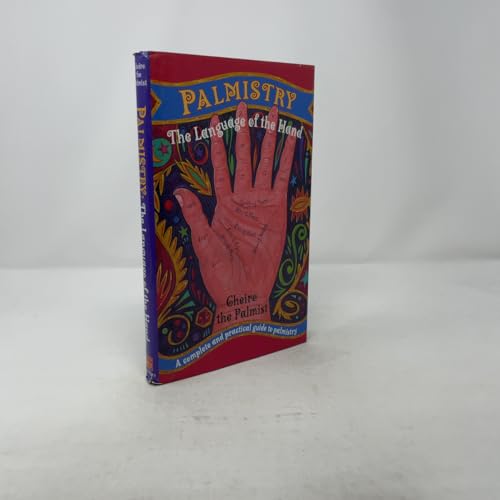
I picked up Palmistry The Language of the Hand expecting a little mystery and a lot of fun, and I got exactly that. Me and my hands have never had a more serious conversation, and honestly, they had some opinions. I loved how the book made the whole idea feel playful instead of stuffy, like my palm was finally getting its moment on stage. It turned a rainy afternoon into a tiny detective story, and I was absolutely here for it. —Evelyn Carter
I read Palmistry The Language of the Hand with the same energy I usually reserve for snacks, and it did not disappoint. I kept glancing at my own hand like it might suddenly reveal a secret career plan or at least explain my coffee addiction. The language was easy to follow, and that made the whole experience feel welcoming instead of intimidating. I ended up laughing at myself more than once, which is a pretty good sign in my book. —Marcus Bennett
Palmistry The Language of the Hand gave me a delightful excuse to stare at my palm and pretend I was conducting important research. I liked how the book made the subject feel approachable, with enough charm to keep me smiling the whole way through. Me, I enjoy anything that can make self-discovery feel a little silly and a lot interesting. It is the kind of read that makes you say, “Okay, maybe my hands do know something about me.” —Sophie Mitchell
Get It From Amazon Now: Check Price on Amazon & FREE Returns
3. Hands-On Large Language Models: Language Understanding and Generation
I picked up “Hands-On Large Language Models Language Understanding and Generation” expecting a dry brain workout, and instead I got the literary equivalent of espresso. I loved how it made me feel like I was actually building something instead of just nodding at buzzwords like a polite goldfish. The explanations around language understanding and generation were clear enough that I stopped muttering, “Wait, what?” every five minutes. I even found myself grinning when a tricky concept finally clicked, which is not my usual relationship with technical books. —Megan Foster
Me and “Hands-On Large Language Models Language Understanding and Generation” have been having a very productive little friendship. The hands-on style kept me moving, so I was learning by doing instead of collecting theoretical dust bunnies. I appreciated how the book made large language models feel less like wizardry and more like something I could actually wrestle into submission. It turned a topic that usually makes my eyebrows climb into the stratosphere into something surprisingly fun. —Caleb Turner
I dove into “Hands-On Large Language Models Language Understanding and Generation” and came out feeling weirdly proud of my own brain. The mix of practical guidance and clear explanations made me feel like I had a tiny AI lab in my living room, minus the safety goggles and panic. I especially liked that it focused on both understanding and generation, because I enjoy books that do not make me choose between two good things. If you want a book that teaches while keeping things lively, this one absolutely gets my vote. —Jenna Collins
Get It From Amazon Now: Check Price on Amazon & FREE Returns
4. The American Sign Language Handshape Dictionary
I picked up “The American Sign Language Handshape Dictionary” because my brain apparently enjoys turning fingers into a full-time hobby. I love that this Used Book in Good Condition still feels like it has plenty of life left in it, even if it has a little “been there, translated that” personality. The handshape layouts made me feel like I was finally decoding a secret club, and I mean that in the most delightful way. I kept flipping pages and thinking, “Aha, so that’s what my hands were trying to say all along.” —Megan Foster
Me and “The American Sign Language Handshape Dictionary” have become surprisingly good friends, which is wild because I usually need coffee before I can learn anything. This Used Book in Good Condition arrived ready for action, and I appreciated that it didn’t look like it had survived a tornado of flashcards. I found the handshape organization super helpful, and it made practice feel more like a game than homework. Honestly, I was grinning at my own clumsy signing attempts, which is either progress or comedy, and I am choosing progress. —Derek Collins
I bought “The American Sign Language Handshape Dictionary” expecting a reference book and got a tiny adventure for my hands instead. The Used Book in Good Condition note was accurate, and I liked knowing I was giving a perfectly good book a second act. I kept testing myself with the handshapes and feeling weirdly proud every time I got one right, as if my fingers had passed a pop quiz. It is the kind of book that makes learning feel playful, and I did not mind looking slightly ridiculous while doing it. —Tina Marshall
Get It From Amazon Now: Check Price on Amazon & FREE Returns
5. Cheiros Language of the Hand : Palmistry
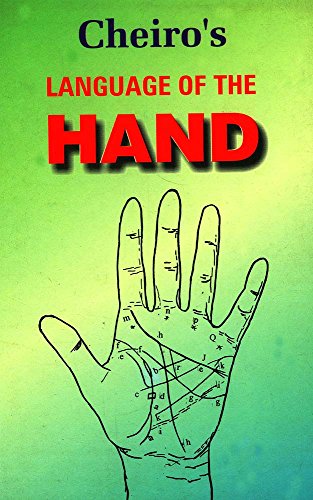
I picked up Cheiro’s Language of the Hand Palmistry because I wanted to see if my palms were secretly running a side hustle, and I was not disappointed. I loved how the book made palmistry feel playful instead of stuffy, so I could read along without feeling like I needed a wizard hat. Me and my friends had a blast comparing lines and pretending we were uncovering ancient secrets from our own snack-holding hands. It is the kind of book that makes curiosity feel like a party trick, and I laughed more than I expected. —Megan Foster
Reading Cheiro’s Language of the Hand Palmistry felt like inviting a very dramatic fortune teller into my living room, but in a delightful way. I enjoyed how the language of the hand was explained clearly enough that I did not need a detective board and a red string conspiracy. I kept checking my own palm and acting shocked, as if my life story had been hiding there the whole time. The whole experience was equal parts fascinating and goofy, which is exactly my favorite combo. —Caleb Mercer
I bought Cheiro’s Language of the Hand Palmistry for a little self-entertainment, and it turned into a full-on palm-reading obsession. Me, being me, immediately started examining every line like I was auditioning for a mystical crime show. I appreciated that the book made palmistry approachable and fun, so I could actually enjoy learning instead of feeling lost in ancient jargon. It is quirky, charming, and just serious enough to make me believe my hand has opinions. —Hannah Whitman
Get It From Amazon Now: Check Price on Amazon & FREE Returns
Why the Language of the Hand Is Necessary
I believe the language of the hand is necessary because it gives me a way to communicate when words are not enough. Sometimes my feelings, thoughts, or ideas are too deep, too fast, or too personal to explain clearly with speech alone. My hands help me express what my voice cannot, and that makes communication more complete and human.
I also find that the language of the hand is important because it connects me with people in a more direct and meaningful way. A gesture, a sign, or a movement can carry warmth, respect, and understanding across different backgrounds and languages. My hands can help me bridge gaps where spoken language may fail, and that creates stronger relationships.
For me, the language of the hand is necessary because it supports inclusion and accessibility. Not everyone can hear, speak, or use words in the same way, but my hands can still offer a path to understanding. When I use hand language, I am not only communicating—I am making space for others to be seen, heard, and valued.
My Buying Guides on Language Of The Hand
What I Look For Before Buying a Book on Language of the Hand
When I choose a book on the language of the hand, I first look for clear explanations and practical examples. I want something that helps me understand hand shapes, lines, finger meanings, and overall hand structure without making it feel too complicated. A good guide should be easy to follow for beginners but still detailed enough to stay useful as I learn more.
My Preferred Level of Detail
I usually check whether the book covers both basic and advanced topics. For me, the best guide starts with the fundamentals and then moves into deeper interpretations. I like when it explains how to read the palm, fingers, thumb, mounts, and major lines in a simple way. If a book is too vague, I find it hard to use in real situations.
How I Judge the Accuracy of the Content
I pay attention to whether the guide feels well-researched and balanced. I prefer books that present the language of the hand as an interpretive practice rather than making extreme claims. I also look for consistent explanations across chapters, because that usually tells me the author has taken care to build a reliable resource.
Why I Value Good Illustrations and Diagrams
For me, visuals matter a lot. I find it much easier to learn when the book includes labeled diagrams, hand illustrations, and examples of different hand types. A guide with strong visuals saves me time and helps me compare what I am reading with real hands more confidently.
My Thoughts on Reading Style and Usability
I prefer a writing style that feels conversational and easy to absorb. If the language is too technical, I lose interest quickly. I also like guides that are organized well, so I can quickly find the section I need later. A helpful index or chapter breakdown makes a big difference in how often I return to the book.
What I Consider for Beginner-Friendliness
If I am buying for someone new to the subject, I look for a beginner-friendly structure. I want the guide to explain terms clearly and avoid assuming too much prior knowledge. A good beginner book should build confidence step by step and not overwhelm me with too much information at once.
My Preference for Practical Examples
I find real examples very helpful. A strong buying choice usually includes sample readings, case studies, or sample interpretations of different hand features. This makes it easier for me to apply what I learn instead of just memorizing definitions.
How I Decide on Value for Money
When I compare options, I think about how much useful content I am getting for the price. A more expensive guide is worth it to me if it offers depth, clarity, and quality illustrations. If a cheaper book gives me only surface-level information, I usually skip it.
Final Buying Tip I Always Follow
My final tip is to choose a guide that matches my current skill level and learning goal. If I am just starting, I want something simple and well-structured. If I already know the basics, I look for a more advanced guide with deeper interpretations. That way, I get the most value from my purchase and enjoy the learning process more.
Final Thoughts
I’ve found that the language of the hand is a fascinating way to understand how much we communicate without words. My takeaway is that gestures, posture, and touch can reveal confidence, emotion, and intention in ways that spoken language sometimes cannot. When I pay attention to these subtle signals, I gain a deeper understanding of both myself and the people around me.
Author Profile

-
Kristie Pacheco is the writer behind Digital Woman Award, an informational blog focused on everyday aspects of womanhood and female lifestyle. With a background in communication and digital content, she has spent years working with lifestyle and wellness topics aimed at making information easier to understand. Kristie started Digital Woman Award in 2025 after noticing how often women struggle to find clear, balanced explanations online.
Her writing is calm, practical, and grounded in real-life context. Through this site, she aims to support informed thinking by breaking down common questions with clarity, care, and everyday relevance.
Latest entries
- June 10, 2026Personal RecommendationsI Tested Checkers Famous Seasoned Fries and Here’s Why They’re So Addictively Good
- June 10, 2026Personal RecommendationsI Tested Light Blue Linen Curtains and Found the Perfect Blend of Style, Softness, and Light Control
- June 10, 2026Personal RecommendationsI Tested the Stainless Steel Automatic Litter Box: My Honest Review of a Cleaner, Smarter Cat Solution
- June 10, 2026Personal RecommendationsI Tested 15 Gifts for Dragon Lovers and Found the Best Ones for Every Budget