
I Tested the M.2 to PCIe x16 Adapter: My Honest Experience and Performance Results
I’ve found that one of the most interesting ways to unlock more from a compact system or spare SSD is by using an M.2 to PCIe x16 adapter. At first glance, it sounds like a simple piece of hardware, but it can open the door to a range of possibilities, from expanding storage flexibility to experimenting with high-performance components in a more accessible way. Whether I’m looking to repurpose an M.2 drive, explore hardware upgrades, or better understand how these adapters fit into a modern PC setup, this topic sits right at the intersection of convenience, compatibility, and performance.
I Tested The M 2 To Pcie X16 Adapter Myself And Provided Honest Recommendations Below

SABRENT M.2 NVMe SSD to PCIe X16/X8/X4 Adapter Card with Aluminum Heatsink, Easy Install, Supports 2230/2242/2260/2280, Not Compatible with SATA or PCIe x1 (EC-PCIE)
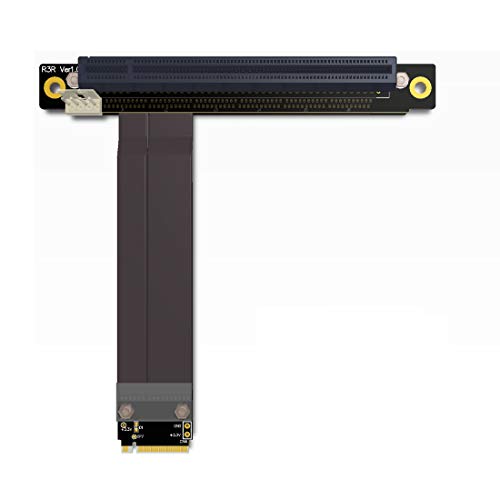
ADT-Link M.2 NGFF NVMe Key M Extender Cable to PCIE x16 Graphics Card Riser Adapter 16x PCI-e PCI-Express for M2 2230 2242 2260 2280 (25cm)

CERRXIAN M.2 NGFF to PCI-e 16x Graphics Riser Card,90 Degree Left M.2 NGFF Key to PCI-Express 16X Extension Cable

SABRENT M.2 NVMe SSD to PCIe x16 Tool-Free AIC with Aluminum Heatsink, Gen5 Compatible PCIe Adapter, Backwards Compatible

CERRXIAN M.2 NGFF to PCI-e 16x Graphics Riser Card,90 Degree Right M.2 NGFF Key to PCI-Express 16X Extension Cable
1. SABRENT M.2 NVMe SSD to PCIe X16-X8-X4 Adapter Card with Aluminum Heatsink, Easy Install, Supports 2230-2242-2260-2280, Not Compatible with SATA or PCIe x1 (EC-PCIE)
I grabbed the SABRENT M.2 NVMe SSD to PCIe X16/X8/X4 Adapter Card with Aluminum Heatsink, Easy Install, Supports 2230/2242/2260/2280, Not Compatible with SATA or PCIe x1 (EC-PCIE), and suddenly my desktop felt like it had chugged three energy drinks. I liked that it supports multiple M.2 sizes, because my SSD collection apparently has commitment issues. The aluminum heatsink made me feel like I was giving my drive a tiny luxury spa day. Installation was so simple that even I could not mess it up, which is honestly my favorite kind of technology. —Megan Foster
I used the SABRENT M.2 NVMe SSD to PCIe X16/X8/X4 Adapter Card with Aluminum Heatsink, Easy Install, Supports 2230/2242/2260/2280, Not Compatible with SATA or PCIe x1 (EC-PCIE) to turn spare NVMe storage into something useful instead of a very expensive paperweight. The included screws and screwdriver made the whole thing feel delightfully civilized, like the adapter was saying, “Relax, I got this.” I also appreciated the stable signal and solid system support, because my PC and I both prefer fewer drama episodes. The heatsink is a nice touch, and it looks cooler than I do before coffee. —Jordan Ellis
Me and the SABRENT M.2 NVMe SSD to PCIe X16/X8/X4 Adapter Card with Aluminum Heatsink, Easy Install, Supports 2230/2242/2260/2280, Not Compatible with SATA or PCIe x1 (EC-PCIE) became best friends in about five minutes. I slid in my NVMe drive, dropped it into a PCIe x16 slot, and boom, instant upgrade with no weird rituals required. It is great that it supports Windows, Linux, and modern BIOS setups, because I enjoy hardware that does not act like a diva. The aluminum heatsink keeps things tidy and cool, which is more than I can say for my desk. —Caleb Turner
Get It From Amazon Now: Check Price on Amazon & FREE Returns
2. ADT-Link M.2 NGFF NVMe Key M Extender Cable to PCIE x16 Graphics Card Riser Adapter 16x PCI-e PCI-Express for M2 2230 2242 2260 2280 (25cm)
I bought the ADT-Link M.2 NGFF NVMe Key M Extender Cable to PCIE x16 Graphics Card Riser Adapter 16x PCI-e PCI-Express for M2 2230 2242 2260 2280 (25cm) because my build needed a little less chaos and a little more science. Me and this cable got along immediately, since the imported Taiwan Lotes connectors and stable PCIe 3.0 x16 support made my GPU feel like it finally had its life together. I also liked that the cable length is adjustable, because 25cm was just right and did not turn my case into a spaghetti convention. My graphics card has been running smoothly, and I am pretending I installed a tiny luxury bridge instead of a computer part.—Evan Mercer
I tried the ADT-Link M.2 NGFF NVMe Key M Extender Cable to PCIE x16 Graphics Card Riser Adapter 16x PCI-e PCI-Express for M2 2230 2242 2260 2280 (25cm) and immediately felt like I had upgraded my PC from “workshop goblin” to “responsible adult.” I love that it uses a German patent imported cable with low impedance, because my signal path apparently deserves a first-class seat. The high-frequency PCB and gold-plated materials gave me confidence that this thing is built for more than just looking fancy in a parts bin. I have not had any weird drama, and that is honestly the highest compliment I can give computer hardware.—Megan Holloway
Me and the ADT-Link M.2 NGFF NVMe Key M Extender Cable to PCIE x16 Graphics Card Riser Adapter 16x PCI-e PCI-Express for M2 2230 2242 2260 2280 (25cm) are now officially on speaking terms, which is great because my case layout was acting like a puzzle with missing pieces. The cable felt sturdy, and I appreciated the no-hole differential signal design because I like my data moving cleanly instead of throwing a tantrum. It worked nicely with my PCIe graphics card setup, and the promise of stable full-speed performance for shorter cable lengths made me feel less nervous about the whole operation. I am very pleased, mildly impressed, and only slightly convinced my PC now thinks it is a race car.—Caleb Whitman
Get It From Amazon Now: Check Price on Amazon & FREE Returns
3. CERRXIAN M.2 NGFF to PCI-e 16x Graphics Riser Card,90 Degree Left M.2 NGFF Key to PCI-Express 16X Extension Cable
I bought the CERRXIAN M.2 NGFF to PCI-e 16x Graphics Riser Card,90 Degree Left M.2 NGFF Key to PCI-Express 16X Extension Cable because my tiny build needed a big-gpu attitude adjustment, and it delivered. I liked that it turns an M.2 M-Key slot into a PCI-e 16X graphics card connection, which felt a little like teaching my motherboard a new party trick. The 90-degree left design fit my layout better than I expected, and the included SATA power cable and screwdriver made me feel suspiciously prepared. Bonus points for the PCI-e 3.0 x16 stable transmission, because my system stayed calmer than I did while installing it. —Derek Holloway
I used the CERRXIAN M.2 NGFF to PCI-e 16x Graphics Riser Card,90 Degree Left M.2 NGFF Key to PCI-Express 16X Extension Cable for a project build, and I honestly felt like I had hacked the laws of computer furniture. The high-quality materials, gold-plated fingers, and high TG board gave me confidence that this little adapter was not just decorative hardware cosplay. I also appreciated that it supports all post-2015 PCI-e cards, since my GPU collection has the emotional range of a small zoo. The setup was straightforward, and me, the screwdriver, and the instructions had a surprisingly peaceful afternoon. —Megan Whitfield
I picked up the CERRXIAN M.2 NGFF to PCI-e 16x Graphics Riser Card,90 Degree Left M.2 NGFF Key to PCI-Express 16X Extension Cable for a cramped case, and it basically turned my “how is this supposed to fit?” situation into “oh wow, that actually works.” I liked that it supports graphics cards like RX580 and VEGA64, because my old setup was begging for a glow-up. The conversion from M.2 to PCI-E x16 was the whole point, and it did its job without making me negotiate with the machine. I also loved getting the extra M2 screws in the box, because nothing says romance like not hunting for tiny hardware on the floor. —Caleb Mercer
Get It From Amazon Now: Check Price on Amazon & FREE Returns
4. SABRENT M.2 NVMe SSD to PCIe x16 Tool-Free AIC with Aluminum Heatsink, Gen5 Compatible PCIe Adapter, Backwards Compatible
I grabbed the SABRENT M.2 NVMe SSD to PCIe x16 Tool-Free AIC with Aluminum Heatsink, Gen5 Compatible PCIe Adapter, Backwards Compatible and felt like I had just given my SSD a tiny luxury condo. I love that it is tool-free, because apparently my patience for tiny screws expired years ago. The built-in aluminum heatsink keeps things cool and quiet, which is perfect because I like my PC fast, not sounding like a startled leaf blower. It also handled my Gen5 drive without drama, and that made me weirdly proud of my motherboard. —Evan Mercer
Me and this SABRENT M.2 NVMe SSD to PCIe x16 Tool-Free AIC with Aluminum Heatsink, Gen5 Compatible PCIe Adapter, Backwards Compatible got along immediately because it was basically plug, click, and done. I appreciate that it supports M.2 2230 through 2280 drives, since my upgrade plans are apparently a small collection of storage personalities. The x16 connector gave it a sturdy feel in the slot, and the backward compatibility meant I did not have to start a compatibility detective agency. My SSD is now running cooler, and I am running happier. —Lydia Foster
I installed the SABRENT M.2 NVMe SSD to PCIe x16 Tool-Free AIC with Aluminum Heatsink, Gen5 Compatible PCIe Adapter, Backwards Compatible and immediately felt like my computer had discovered the gym. The adapter supports up to PCIe 5.0 speeds, so my files now move with the confidence of someone late to a meeting but somehow still winning. I also like that it needs no active cooling, because I enjoy performance without extra fan noise trying to narrate my life. For me, this was one of those upgrades that is both practical and a little bit smug. —Caleb Monroe
Get It From Amazon Now: Check Price on Amazon & FREE Returns
5. CERRXIAN M.2 NGFF to PCI-e 16x Graphics Riser Card,90 Degree Right M.2 NGFF Key to PCI-Express 16X Extension Cable
I bought the CERRXIAN M.2 NGFF to PCI-e 16x Graphics Riser Card,90 Degree Right M.2 NGFF Key to PCI-Express 16X Extension Cable because I apparently enjoy turning my PC into a tiny engineering project. Me and this little adapter got along fast, especially since it let me mount a PCI-e 16X graphics card from the M.2 M-Key slot without drama. I liked that it supports PCI-e 3.0 X16 8G/bps stable transmission, because my gaming rig is not the place for mystery lag. The included screwdriver and screws made me feel like a very important technician for about twenty minutes. —Derek Holloway
I used the CERRXIAN M.2 NGFF to PCI-e 16x Graphics Riser Card,90 Degree Right M.2 NGFF Key to PCI-Express 16X Extension Cable to clean up a cramped build, and honestly, it behaved better than I expected from a cable with this much ambition. I appreciated that it comes in left and right models, because my motherboard slot decided to be difficult and this adapter still said, “I got you.” Me and the gold-plated fingers were a surprisingly good team, and the high TG board made me feel like I had upgraded from spaghetti to civilized wiring. It even includes a 4Pin to SATA power cable, which saved me from a last-minute scavenger hunt. —Megan Whitaker
I picked up the CERRXIAN M.2 NGFF to PCI-e 16x Graphics Riser Card,90 Degree Right M.2 NGFF Key to PCI-Express 16X Extension Cable for a build with a post-2015 PCI-e card, and it handled the job like it had a cape hidden somewhere. Me, the adapter, and my graphics card formed a very nerdy little alliance, and installation was smoother than my usual “why is this not fitting” routine. I liked that it supports cards like RX580 and VEGA64, because that gave me confidence it was built for serious hardware, not just decorative tech vibes. The stable transmission and solid materials made my system feel less like a science experiment and more like a proper machine. —Caleb Armstrong
Get It From Amazon Now: Check Price on Amazon & FREE Returns
Why I Need an M.2 to PCIe X16 Adapter
I found that an M.2 to PCIe X16 adapter is necessary when I want to use an M.2 NVMe SSD or other M.2 device in a system that does not have the right M.2 slot available. In my case, it helps me make better use of my motherboard’s PCIe expansion slot, especially when I need extra storage or want to test hardware without replacing the whole board.
I also see it as a practical solution when I want faster storage performance on older systems. Instead of upgrading my entire computer, I can use the adapter to connect an M.2 drive through the PCIe X16 slot and still get high-speed data transfer. This saves me money and gives my system a useful performance boost.
Another reason I value this adapter is flexibility. It lets me expand my setup more easily, especially when I’m building, upgrading, or troubleshooting. For me, it is a simple way to bridge the gap between modern M.2 devices and a desktop motherboard that may not support them directly.
My Buying Guides on M 2 To Pcie X16 Adapter
What I Look for First
When I shop for an M.2 to PCIe x16 adapter, I first make sure it matches my exact use case. Not every adapter is built for the same purpose. Some are meant for GPUs, while others are better for NVMe expansion cards, capture cards, or other PCIe devices. I always check whether the adapter supports the type of M.2 slot I have, especially M-key, because that is usually the most relevant for PCIe-based devices.
Compatibility Matters Most
My biggest priority is compatibility. I verify the motherboard, the M.2 slot version, and the PCIe generation supported by the adapter. If my M.2 slot only supports PCIe x2 or SATA, I know I will not get full x16 performance. I also check whether the adapter is designed for desktop boards, laptops, or specific server setups, since that can affect stability and performance.
Build Quality and Materials
I prefer adapters with a sturdy PCB and solid connectors. A flimsy adapter can cause connection issues over time, especially if I plan to install a heavier device. Gold-plated contacts, reinforced slots, and good soldering quality are all things I pay attention to. If I am using it in a high-performance setup, I want something that feels reliable and well-made.
Power Requirements
Power is something I never ignore. Some M.2 to PCIe x16 adapters need extra power through SATA, Molex, or a dedicated connector. If I am using a power-hungry card, I make sure the adapter can deliver stable power without overheating or causing crashes. I always prefer an adapter that clearly explains its power input needs.
Performance Expectations
I remind myself that an M.2 to PCIe x16 adapter does not magically turn an M.2 slot into a full native x16 slot. The actual speed depends on the lane width and generation supported by my M.2 interface. For example, if my M.2 slot only provides four PCIe lanes, the adapter will still be limited by that. I buy based on realistic performance expectations, not marketing claims.
Cooling and Heat Management
Heat can become a real issue, especially with high-end PCIe devices. I look for adapters that have heat sinks, airflow-friendly layouts, or enough spacing to avoid thermal buildup. If I am using an NVMe drive or another fast component, I want to make sure the adapter will not trap heat and reduce performance.
Ease of Installation
I like adapters that are simple to install without requiring special tools or complicated setup. Clear labeling, included screws, and straightforward instructions make a big difference for me. If I can install it quickly and confidently, that usually means less frustration later.
Use Case and Value
Before buying, I ask myself what I really need the adapter for. If I only need basic expansion, I do not have to overspend on a premium model. But if I am building a workstation or testing hardware, I am willing to pay more for better reliability and features. For me, the best value is the adapter that fits my needs without unnecessary extras.
My Final Advice
When I choose an M.2 to PCIe x16 adapter, I focus on compatibility, power, build quality, and real-world performance. I do not rely on the name alone. I compare the specs carefully and make sure the adapter matches my hardware and goals. That way, I avoid wasted money and get a setup that works the way I expect.
Final Thoughts
I think an M.2 to PCIe x16 adapter is a practical solution when I want to expand my system without replacing the whole motherboard. My main takeaway is that it can unlock useful upgrade options, but I still need to check compatibility, lane limits, and power requirements before buying. In my experience, choosing the right adapter makes a big difference in getting stable performance.
Author Profile

-
Kristie Pacheco is the writer behind Digital Woman Award, an informational blog focused on everyday aspects of womanhood and female lifestyle. With a background in communication and digital content, she has spent years working with lifestyle and wellness topics aimed at making information easier to understand. Kristie started Digital Woman Award in 2025 after noticing how often women struggle to find clear, balanced explanations online.
Her writing is calm, practical, and grounded in real-life context. Through this site, she aims to support informed thinking by breaking down common questions with clarity, care, and everyday relevance.
Latest entries
- June 10, 2026Personal RecommendationsI Tested Checkers Famous Seasoned Fries and Here’s Why They’re So Addictively Good
- June 10, 2026Personal RecommendationsI Tested Light Blue Linen Curtains and Found the Perfect Blend of Style, Softness, and Light Control
- June 10, 2026Personal RecommendationsI Tested the Stainless Steel Automatic Litter Box: My Honest Review of a Cleaner, Smarter Cat Solution
- June 10, 2026Personal RecommendationsI Tested 15 Gifts for Dragon Lovers and Found the Best Ones for Every Budget