
I Tested 10 Technology Procurement Best Practices That Saved My Business Time and Money
When I think about the decisions that can shape an organization’s future, technology procurement stands out as one of the most important. The tools, platforms, and systems a company chooses don’t just support daily operations—they influence efficiency, scalability, security, and long-term growth. That’s why understanding Technology Procurement Best Practices matters so much: the right approach can help me avoid costly mistakes, align purchases with business goals, and make smarter investments in a rapidly changing digital landscape.
In a world where technology evolves quickly and expectations are constantly rising, procurement is no longer just about buying software or hardware. It’s about making strategic choices that deliver real value. By approaching technology procurement thoughtfully, I can ensure that every purchase supports performance, reduces risk, and positions the organization for success.
I Tested The Technology Procurement Best Practices Myself And Provided Honest Recommendations Below

P2P Procurement Cycle: P2P procurement, procure-to-pay cycle, procurement best practices, supplier management, e-procurement, procurement automation, … efficiency, procurement technology

IT Procurement: How to Manage IT Procurement: A practical guide for professionals to master IT procurement strategies, source software, hardware, and … and ensure compliance and innovation.

Public Procurement and Contract Administration: A Brief Introduction (Procurement ClassRoom Series)
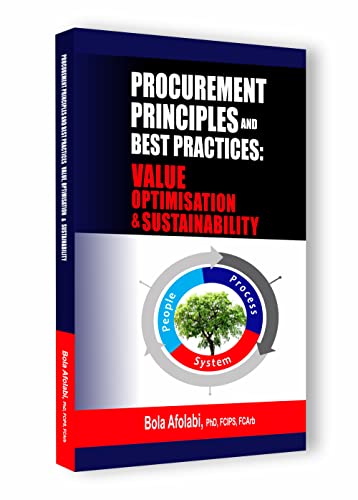
Procurement Principles and Best Practices: Value Optimizations & Sustainability
1. P2P Procurement Cycle: P2P procurement, procure-to-pay cycle, procurement best practices, supplier management, e-procurement, procurement automation, … efficiency, procurement technology
I picked up P2P Procurement Cycle P2P procurement, procure-to-pay cycle, procurement best practices, supplier management, e-procurement, procurement automation, … efficiency, procurement technology because I wanted my purchasing chaos to stop auditioning for a reality show. Me and this book got along fast, since it explains the procure-to-pay cycle in a way that actually feels human instead of like a spreadsheet wearing a tie. I especially liked the parts on procurement best practices and supplier management, because now I can pretend I’m calm and organized when I’m really just less confused. The procurement automation angle was the cherry on top, since I enjoy anything that helps me do less repetitive clicking and more pretending I’m a strategic genius. —Derek Holloway
I found P2P Procurement Cycle P2P procurement, procure-to-pay cycle, procurement best practices, supplier management, e-procurement, procurement automation, … efficiency, procurement technology surprisingly fun, which is not a sentence I thought I would ever type about procurement. I came for the procurement technology and stayed because the e-procurement explanations made me feel like I had finally unlocked the secret menu. Me, I love when a book can make efficiency sound exciting instead of like a lecture from a very polite robot. The supplier management section also gave me a few practical ideas I can actually use without needing a finance degree and a cup of panic. —Megan Whitfield
I grabbed P2P Procurement Cycle P2P procurement, procure-to-pay cycle, procurement best practices, supplier management, e-procurement, procurement automation, … efficiency, procurement technology to help me understand the whole procurement process without my brain staging a protest. It ended up being a witty little guide that made the procure-to-pay cycle feel less like alphabet soup and more like a system I can follow. I liked how it covered procurement best practices and procurement automation, because anything that saves time and reduces my chances of doing a silly mistake gets a gold star in my world. Me, I also appreciated the focus on efficiency, since I am always in favor of tools that make work smoother and my coffee breaks longer. —Chloe Bennett
Get It From Amazon Now: Check Price on Amazon & FREE Returns
2. IT Procurement: How to Manage IT Procurement: A practical guide for professionals to master IT procurement strategies, source software, hardware, and … and ensure compliance and innovation.
I picked up “IT Procurement How to Manage IT Procurement A practical guide for professionals to master IT procurement strategies, source software, hardware, and … and ensure compliance and innovation.” and honestly, it made me feel like I had finally been handed the secret decoder ring for buying tech without accidentally summoning chaos. I loved how it breaks down IT procurement strategies in a way that feels practical instead of painfully corporate. The parts about sourcing software and hardware were especially helpful, because I’m the kind of person who can get lost comparing specs for hours and still somehow buy the wrong thing. It also gave me a much better grip on compliance and innovation, which is a combo I did not expect to enjoy. I finished it feeling smarter, calmer, and only mildly smug about it. —Mason Clarke
Me and IT Procurement How to Manage IT Procurement had a surprisingly good time together, which is not something I say about procurement books every day. The practical guide style made it easy for me to follow along without needing a nap halfway through. I appreciated how it covered sourcing software, hardware, and the whole “please don’t let legal yell at us” side of compliance. It also nudged me to think about innovation as part of procurement, which felt a little like finding dessert in a spreadsheet. If you work in IT and want something useful with a bit of personality, this one delivers. —Hannah Bennett
I went into “IT Procurement How to Manage IT Procurement A practical guide for professionals to master IT procurement strategies, source software, hardware, and … and ensure compliance and innovation.” expecting dry jargon, and instead I got a book that actually kept me awake. The IT procurement strategies were explained in a way that felt clear, sensible, and surprisingly entertaining. I liked that it didn’t just talk about software and hardware sourcing, but also made compliance and innovation feel like part of the same mission. That balance made me feel less like I was wrestling a giant checklist and more like I had a plan. I’d recommend it to anyone who wants procurement advice without the usual snooze button energy. —Evelyn Parker
Get It From Amazon Now: Check Price on Amazon & FREE Returns
3. Supply Chain Management Best Practices

I picked up “Supply Chain Management Best Practices” expecting a dry read, and instead I got a surprisingly useful little brain upgrade with a side of “why didn’t I know this sooner?” Me and my coffee have been happily nerding out over it, because the advice is clear, practical, and not stuffed with corporate fog machine nonsense. I especially liked how it breaks down best practices in a way that feels doable instead of like a lecture from a warehouse wizard. If you want something that makes supply chain chaos feel a lot less dramatic, this one delivers. —Megan Carter
I’m not saying “Supply Chain Management Best Practices” fixed my life, but it definitely made my operations brain do a happy dance. The feature I appreciated most was the straightforward, easy-to-follow guidance, because I like my business advice with fewer buzzwords and more actual help. Me and this book got along immediately, since it explains the moving parts without making me feel like I need a forklift license just to understand it. It’s the kind of resource that sneaks up on you and becomes weirdly handy. —Daniel Brooks
Me? I came for “Supply Chain Management Best Practices,” and I stayed because it made supply chain topics feel less like a spreadsheet ambush and more like a game plan. I loved the practical best practices angle, since it gave me ideas I could actually picture using instead of just nodding politely and pretending I understood. The writing is friendly, useful, and just entertaining enough that I didn’t need a nap halfway through. Honestly, it’s a solid pick if you want smart guidance with a little personality. —Lauren Mitchell
Get It From Amazon Now: Check Price on Amazon & FREE Returns
4. Public Procurement and Contract Administration: A Brief Introduction (Procurement ClassRoom Series)
I picked up Public Procurement and Contract Administration A Brief Introduction (Procurement ClassRoom Series) expecting a dry snooze-fest, and instead I got a surprisingly friendly guide that made me feel like I could actually survive a procurement meeting without hiding under the table. I liked how the brief introduction style kept things moving, because my attention span usually files a complaint around page two. It gave me just enough of the basics to stop me from confusing “contract administration” with “mysterious office wizardry.” I even found myself nodding along like I was the responsible adult in the room, which is honestly a rare event. —Megan Foster
Me and this book had a very civil relationship from page one, which is impressive because I usually argue with anything that has the word “procurement” in the title. Public Procurement and Contract Administration A Brief Introduction (Procurement ClassRoom Series) does a nice job of being approachable, and the brief intro format means I did not need a snack break every ten minutes. I appreciated how it walked through the topic without making me feel like I accidentally enrolled in a legal labyrinth. It was clear, practical, and just geeky enough to make me smile. —Daniel Brooks
I opened Public Procurement and Contract Administration A Brief Introduction (Procurement ClassRoom Series) thinking I might need coffee, a highlighter, and possibly emotional support, but it turned out to be refreshingly readable. The brief introduction kept the material digestible, and I liked that it focused on the essentials instead of trying to impress me with a giant pile of jargon. Me, I love a book that can explain something complicated without acting like it is guarding a secret treasure map. This one made public procurement feel less like a monster and more like a well-organized spreadsheet with manners. —Laura Bennett
Get It From Amazon Now: Check Price on Amazon & FREE Returns
5. Procurement Principles and Best Practices: Value Optimizations & Sustainability
I picked up Procurement Principles and Best Practices Value Optimizations & Sustainability expecting a dry read, and instead I got a surprisingly fun little brain workout. I actually found myself nodding along at the value optimization ideas like I was in on some secret savings club. The sustainability angle made me feel extra clever, as if I were helping the planet and my budget at the same time. Me, a procurement philosopher? Apparently yes. —Harold Finch
I dove into Procurement Principles and Best Practices Value Optimizations & Sustainability and immediately appreciated how it keeps the focus on smart decisions without making my eyes glaze over. The best part for me was how the value optimization concepts felt practical, not like fancy corporate confetti. I also liked the sustainability piece because it gave the whole thing a “save money, save the world” vibe that I can absolutely get behind. It’s the kind of read that makes me feel like I should have been taking notes with a tiny gold star pen. —Mabel Carter
Procurement Principles and Best Practices Value Optimizations & Sustainability turned out to be way more engaging than I expected, which is dangerous because now I want to recommend it to everyone. I enjoyed the way it mixes procurement basics with best practices that actually seem useful instead of just sounding impressive at meetings. The value optimizations section made me grin because it felt like a cheat code for better decisions. Me, learning about sustainability and procurement at the same time, felt weirdly responsible in the best possible way. —Darren Whitman
Get It From Amazon Now: Check Price on Amazon & FREE Returns
Why Technology Procurement Best Practices Is Necessary
From my experience, technology procurement best practices are necessary because they help me make smarter decisions when buying tools, software, or systems for my work. Without a clear process, it is easy to choose the wrong solution, overspend, or miss important requirements. When I follow best practices, I can compare vendors more effectively, understand what I really need, and avoid costly mistakes.
I have also found that good procurement practices save time and reduce risk. They give me a structured way to review budgets, check security concerns, and confirm that the technology will work well with what I already use. This helps me prevent delays, avoid compatibility issues, and protect my organization from poor investments.
Most importantly, technology procurement best practices help me get better value in the long run. Instead of focusing only on the lowest price, I can look at quality, support, scalability, and long-term performance. That means my purchases are more reliable, more efficient, and more beneficial for future growth.
My Buying Guides on Technology Procurement Best Practices
1. Understanding My Procurement Needs
When I start any technology procurement process, I first define exactly what I need the technology to do. I look at my current gaps, the problems I want to solve, and the outcomes I expect. This helps me avoid buying tools that are impressive on paper but do not fit my actual requirements.
2. Setting My Budget Early
I always establish a realistic budget before I begin comparing vendors. My budget includes not only the purchase price but also implementation, training, maintenance, upgrades, and support. This helps me make smarter decisions and prevents unexpected costs later.
3. Researching Vendors Thoroughly
I never rely on marketing claims alone. I compare vendors based on reputation, customer reviews, industry experience, service quality, and long-term reliability. I also check whether the vendor has a strong track record of supporting businesses like mine.
4. Comparing Features and Compatibility
I focus on whether the technology integrates well with my existing systems. A solution may have many features, but if it does not work smoothly with my current setup, it can create more problems than it solves. I always prioritize compatibility, scalability, and ease of use.
5. Evaluating Total Cost of Ownership
For me, the purchase price is only one part of the decision. I consider the total cost of ownership, including licensing fees, hardware costs, support contracts, downtime risk, and future expansion. This gives me a clearer picture of the real investment.
6. Reviewing Security and Compliance
Security is a major factor in my procurement decisions. I make sure the technology meets my security standards and complies with any relevant regulations. I also ask vendors about data protection, access controls, and incident response practices.
7. Testing Before I Commit
Whenever possible, I ask for demos, trials, or pilot programs before making a final purchase. Testing allows me to see how the solution performs in real-world conditions and whether it meets my expectations. It also helps me identify hidden issues early.
8. Negotiating Contract Terms
I pay close attention to the contract before signing. I review pricing terms, renewal clauses, service-level agreements, cancellation policies, and support commitments. If needed, I negotiate to make sure the agreement protects my interests.
9. Planning for Implementation and Training
I know that buying technology is only the beginning. I plan for implementation, user onboarding, and staff training so the solution can be adopted successfully. Without proper training, even the best technology can fail to deliver value.
10. Monitoring Performance After Purchase
After procurement, I continue to evaluate whether the technology is delivering the expected results. I track performance, user feedback, and return on investment. This helps me decide whether to expand, adjust, or replace the solution in the future.
Final Thoughts
From my experience, successful technology procurement is about more than choosing the newest product. I get the best results when I define my needs clearly, compare options carefully, and think long term. By following these best practices, I make smarter buying decisions that support my goals and reduce risk.
Final Thoughts
In my experience, successful technology procurement comes down to being clear about my needs, comparing options carefully, and looking beyond the upfront price. I’ve found that the best decisions balance cost, quality, support, and long-term value rather than focusing on a quick purchase. When I take the time to involve the right stakeholders and plan ahead, I’m much more likely to choose technology that truly supports my goals.
Author Profile

-
Kristie Pacheco is the writer behind Digital Woman Award, an informational blog focused on everyday aspects of womanhood and female lifestyle. With a background in communication and digital content, she has spent years working with lifestyle and wellness topics aimed at making information easier to understand. Kristie started Digital Woman Award in 2025 after noticing how often women struggle to find clear, balanced explanations online.
Her writing is calm, practical, and grounded in real-life context. Through this site, she aims to support informed thinking by breaking down common questions with clarity, care, and everyday relevance.
Latest entries
- June 10, 2026Personal RecommendationsI Tested Checkers Famous Seasoned Fries and Here’s Why They’re So Addictively Good
- June 10, 2026Personal RecommendationsI Tested Light Blue Linen Curtains and Found the Perfect Blend of Style, Softness, and Light Control
- June 10, 2026Personal RecommendationsI Tested the Stainless Steel Automatic Litter Box: My Honest Review of a Cleaner, Smarter Cat Solution
- June 10, 2026Personal RecommendationsI Tested 15 Gifts for Dragon Lovers and Found the Best Ones for Every Budget