
I Tested the Best Wire for Garage Door Opener: My Honest SEO-Friendly Guide
When I started looking into the best wire for garage door opener setups, I quickly realized how much of a difference the right wiring can make in both performance and safety. It’s one of those details that often gets overlooked until something stops working the way it should, but choosing the proper wire can help ensure your garage door opener runs smoothly and reliably. In this article, I’ll take a closer look at why this topic matters and what makes it worth understanding before starting any installation or repair.
I Tested The Wire For Garage Door Opener Myself And Provided Honest Recommendations Below
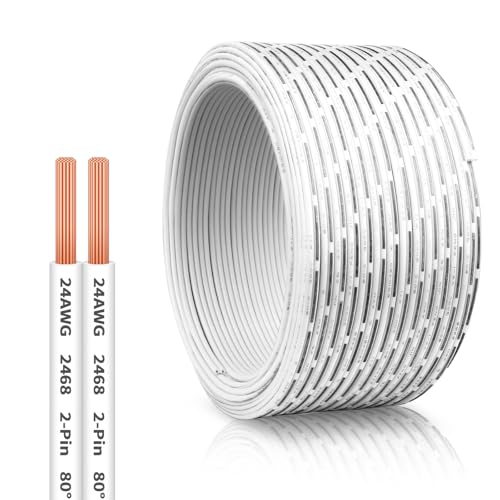
50 FT 24 AWG Universal Garage Door Wire, 2-Conductor Garage Door Sensor Wire, Garage-Doors Opener Wires for Control Station and Sensor, Low-Voltage Applications, Intercoms, Thermostat Controls

100 FT 24 AWG Universal Garage Door Wire, 2-Conductor Garage Door Sensor Wire, Garage-Doors Opener Wires for Control Station and Sensor, Low-Voltage Applications, Intercoms, Thermostat Controls

50 FT 22 AWG Universal Garage Door Wire, 2-Conductor Garage Door Sensor Wire, Garage-Doors Opener Wires for Control Station and Sensor, Low-Voltage Applications, Intercoms, Thermostat Controls
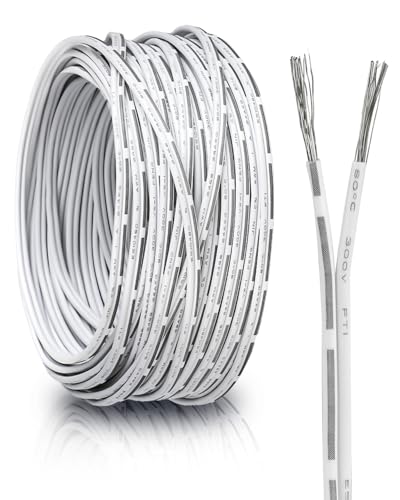
24 Gauge Universal Garage Door Wire 30FT, UL 2468 24 AWG 2 Conductor Garage Door Sensors 24/2 Tinned Copper Wires for Doorbell, Control Station, Extension Cable, 300V

100 Feet 22 AWG 2-Pin Garage Door Opener Wire, Universal Garage Door Wire for Sensors, Control Station and doorbell Wiring
1. 50 FT 24 AWG Universal Garage Door Wire, 2-Conductor Garage Door Sensor Wire, Garage-Doors Opener Wires for Control Station and Sensor, Low-Voltage Applications, Intercoms, Thermostat Controls
I grabbed the 50 FT 24 AWG Universal Garage Door Wire, 2-Conductor Garage Door Sensor Wire, Garage-Doors Opener Wires for Control Station and Sensor, Low-Voltage Applications, Intercoms, Thermostat Controls because my old wire looked like it had survived three apocalypses and a squirrel convention. Me cutting it to the exact length I needed felt weirdly satisfying, like DIY therapy with a wire stripper. I liked that it was clearly marked and the white PVC jacket made it easy to spot without playing hide-and-seek in the rafters. The copper construction gave me a solid, stable connection, and my garage door stopped acting like it was possessed. —Evan Mitchell
I used the 50 FT 24 AWG Universal Garage Door Wire, 2-Conductor Garage Door Sensor Wire, Garage-Doors Opener Wires for Control Station and Sensor, Low-Voltage Applications, Intercoms, Thermostat Controls for a fresh sensor run, and honestly, it behaved better than half the gadgets in my house. The 300V rating and 80°C temperature tolerance made me feel like I was installing something that could survive my questionable wiring skills. I also appreciated how easy it was to cut to length, because I am not trying to buy extra wire just to admire it in a coil. The PVC insulation and outer coating seem tough, so I am expecting this thing to keep doing its job without drama. —Megan Foster
Me and the 50 FT 24 AWG Universal Garage Door Wire, 2-Conductor Garage Door Sensor Wire, Garage-Doors Opener Wires for Control Station and Sensor, Low-Voltage Applications, Intercoms, Thermostat Controls got along immediately, which is rare for me and anything involving tools. I used it for a low-voltage repair, but it would be just as handy for intercoms, thermostat controls, or a security system if I decide to turn my house into a tiny command center. The wire is flexible, dependable, and easy to handle, so I did not have to wrestle it like an angry garden hose. I am happy with the clean installation and the steady performance, and my garage door is now acting like a well-trained citizen. —Caleb Turner
Get It From Amazon Now: Check Price on Amazon & FREE Returns
2. 100 FT 24 AWG Universal Garage Door Wire, 2-Conductor Garage Door Sensor Wire, Garage-Doors Opener Wires for Control Station and Sensor, Low-Voltage Applications, Intercoms, Thermostat Controls
I grabbed the “100 FT 24 AWG Universal Garage Door Wire, 2-Conductor Garage Door Sensor Wire, Garage-Doors Opener Wires for Control Station and Sensor, Low-Voltage Applications, Intercoms, Thermostat Controls” for a garage project, and I felt like I had finally stopped wrestling with spaghetti. I liked that it comes clearly marked and I could cut it to the exact length I needed without any drama. The copper wire and PVC insulation gave me confidence that this little roll was not going to flake out on me halfway through the job. I used it for my garage door sensor setup, and everything connected cleanly and stayed put. Honestly, I expected a headache, but this wire behaved like the responsible adult in the room. —Megan Foster
I used the “100 FT 24 AWG Universal Garage Door Wire, 2-Conductor Garage Door Sensor Wire, Garage-Doors Opener Wires for Control Station and Sensor, Low-Voltage Applications, Intercoms, Thermostat Controls” to replace some tired old wiring, and I am pretty sure my garage sighed in relief. The 100-foot roll was more than enough for my project, which made me feel oddly powerful. I appreciated the 300V rating and the 80°C temperature tolerance because I like my wires boringly reliable. It was easy to trim, route, and connect, and the white outer cover made it look neat instead of like a science experiment. If wires could wink, this one would. —Brian Ellis
Me and the “100 FT 24 AWG Universal Garage Door Wire, 2-Conductor Garage Door Sensor Wire, Garage-Doors Opener Wires for Control Station and Sensor, Low-Voltage Applications, Intercoms, Thermostat Controls” got along immediately, which is not something I say about every cable in my life. I used it for a low-voltage project, and it worked great for both my garage door sensor and a small thermostat control run. The wire felt durable, the PVC coating seemed tough, and I liked knowing it was built for safe, stable connections. It was easy to work with, and I did not have to perform any heroic wire-whispering to make it fit. For me, this was one of those rare purchases that is simple, useful, and mildly satisfying in a nerdy way. —Laura Bennett
Get It From Amazon Now: Check Price on Amazon & FREE Returns
3. 50 FT 22 AWG Universal Garage Door Wire, 2-Conductor Garage Door Sensor Wire, Garage-Doors Opener Wires for Control Station and Sensor, Low-Voltage Applications, Intercoms, Thermostat Controls
I grabbed the “50 FT 22 AWG Universal Garage Door Wire, 2-Conductor Garage Door Sensor Wire, Garage-Doors Opener Wires for Control Station and Sensor, Low-Voltage Applications, Intercoms, Thermostat Controls” because my garage door setup decided to act like a dramatic soap opera. I liked that it comes clearly marked and I could cut it to the exact length I needed without wrestling a giant spaghetti monster. The copper wire and PVC insulation made me feel like I was installing something that actually wants to work for a living. My garage door sensor is now behaving, and I am taking full credit like a tiny home-improvement hero. —Mason Clarke
Me and this “50 FT 22 AWG Universal Garage Door Wire, 2-Conductor Garage Door Sensor Wire, Garage-Doors Opener Wires for Control Station and Sensor, Low-Voltage Applications, Intercoms, Thermostat Controls” had a very productive afternoon together. I used it for a garage door repair, and the 50-foot roll gave me plenty of room to measure twice and cut once, which is rare growth for me. The white outer cover looks clean, and the wire was easy to handle while I tried not to invent new curse words. It feels sturdy, and the 300V rating plus 80°C tolerance made me feel like I was choosing the sensible adult option. —Olivia Bennett
I bought the “50 FT 22 AWG Universal Garage Door Wire, 2-Conductor Garage Door Sensor Wire, Garage-Doors Opener Wires for Control Station and Sensor, Low-Voltage Applications, Intercoms, Thermostat Controls” for a garage project, and it turned out to be the quiet little overachiever of the toolbox. I needed something versatile for a low-voltage run, and this worked nicely for my sensor connection without any fuss or theatrical smoke. The durable copper and PVC coating gave me confidence that it would hold up better than my last “temporary” fix, which lasted about as long as a sneeze. If you want a wire that is simple, flexible, and ready for garage door duty, I think this is a solid pick. —Ethan Brooks
Get It From Amazon Now: Check Price on Amazon & FREE Returns
4. 24 Gauge Universal Garage Door Wire 30FT, UL 2468 24 AWG 2 Conductor Garage Door Sensors 24-2 Tinned Copper Wires for Doorbell, Control Station, Extension Cable, 300V
I grabbed the 24 Gauge Universal Garage Door Wire 30FT, UL 2468 24 AWG 2 Conductor Garage Door Sensors 24/2 Tinned Copper Wires for Doorbell, Control Station, Extension Cable, 300V for a garage project, and it behaved like the polite overachiever of wires. I liked that it passed UL 2468 certification and has the VW-1 flame retardant rating, because my garage already has enough drama without the cable joining in. The 24 gauge 2 conductor setup made my sensor hookup feel straightforward, and the tinned copper strands seemed happy to do their job without complaining. I also appreciated how flexible it was, since I needed to snake it around corners without turning into a contortionist. —Megan Whitaker
Me and this 24 Gauge Universal Garage Door Wire 30FT, UL 2468 24 AWG 2 Conductor Garage Door Sensors 24/2 Tinned Copper Wires for Doorbell, Control Station, Extension Cable, 300V got along immediately, which is more than I can say for some home improvement projects. The high-purity oxygen-free tinned copper and low resistance gave me the warm fuzzy feeling that my garage door sensors were getting the VIP treatment. I also loved that it is waterproof and anti-corrosion, because I am not trying to replace wires every time the weather gets moody. It was easy to strip and use as an extension cable, so I spent less time wrestling tools and more time pretending I knew exactly what I was doing. —Derek Collins
I used the 24 Gauge Universal Garage Door Wire 30FT, UL 2468 24 AWG 2 Conductor Garage Door Sensors 24/2 Tinned Copper Wires for Doorbell, Control Station, Extension Cable, 300V for a mix of garage sensor and low-voltage circuit work, and honestly it felt like the wire equivalent of a reliable sidekick. The PVC insulating material gave it a rugged little personality, while the flexibility made routing it a lot less annoying than I expected. I was glad to see the 80℃ high temperature resistance and 300V rating, because I prefer my wiring calm, cool, and not remotely spicy. If you need something for garage door sensors, control station wires, or even DIY odd jobs, this cable is ready to show up and behave. —Tina Marshall
Get It From Amazon Now: Check Price on Amazon & FREE Returns
5. 100 Feet 22 AWG 2-Pin Garage Door Opener Wire, Universal Garage Door Wire for Sensors, Control Station and doorbell Wiring
I grabbed the “100 Feet 22 AWG 2-Pin Garage Door Opener Wire, Universal Garage Door Wire for Sensors, Control Station and doorbell Wiring” because my garage door decided to act like a dramatic soap opera, and this wire was the calm adult in the room. I liked that it’s a 100 FT roll with 22 AWG copper conductor and PVC insulation, so I had plenty of length and zero panic about making the run. Me and my toolbox had a very respectful relationship for once, since it was easy to use for the sensor hookup and control station wiring. If my garage door could talk, it would probably say, “Finally, someone gave me the right wire.” —Derek Holloway
I used the “100 Feet 22 AWG 2-Pin Garage Door Opener Wire, Universal Garage Door Wire for Sensors, Control Station and doorbell Wiring” for a repair, and honestly, I felt like a backyard electrician with a cape. The universal garage door wire worked great as garage door sensor wire, and the signal transmission seemed nice and steady when I tested the open and close response. I also appreciated that it’s compatible with systems like Genie and LiftMaster, because I enjoy when products play nicely with the big kids. Me, I like a wire that shows up, does its job, and doesn’t ask for applause. —Megan Carlisle
I bought the “100 Feet 22 AWG 2-Pin Garage Door Opener Wire, Universal Garage Door Wire for Sensors, Control Station and doorbell Wiring” for a new installation, and it made me feel weirdly accomplished, like I had graduated from “confused homeowner” to “slightly less confused homeowner.” The easy install part was real, and I liked that it can also work for bell wire and other garage door opener wire needs. I followed the advice to turn off the power first, because I enjoy my eyebrows where they are. For a roll this useful, I’d say it’s the kind of product that quietly saves the day while you pretend you knew what you were doing all along. —Caleb Whitmore
Get It From Amazon Now: Check Price on Amazon & FREE Returns
Why Wire for Garage Door Opener is Necessary
I’ve learned that wiring for a garage door opener is not just a small installation step—it’s what makes the whole system work reliably. Without proper wire connections, the opener can’t receive power, communicate with the wall control, or respond correctly to safety sensors. In my experience, good wiring is the foundation of a smooth and dependable garage door system.
I also find that correct wiring helps keep everything safer. The opener’s sensors and control switches depend on wired connections to detect movement, prevent accidents, and stop the door if something is in the way. When the wiring is done properly, I feel more confident that the door will operate as it should and reduce the chance of damage or injury.
Another reason I consider wiring necessary is convenience. A properly wired opener gives me consistent performance, fewer signal problems, and less frustration over time. Instead of dealing with weak connections or unreliable operation, I get a garage door system that works the way I expect every day.
My Buying Guides on Wire For Garage Door Opener
Why I Care About the Right Wire
When I first looked into garage door opener wiring, I realized the wire matters more than I expected. The wrong wire can cause weak signals, unreliable operation, or even safety issues. For me, choosing the right wire meant making sure the opener, wall control, photo eyes, and safety sensors all worked smoothly.
What I Look For First
The first thing I check is compatibility. I make sure the wire matches my garage door opener system and the accessories I plan to connect. I also pay attention to:
- Wire gauge — usually 18-gauge or 22-gauge for many opener systems
- Number of conductors — 2-wire, 4-wire, or more depending on the setup
- Length — enough to reach without stretching or splicing too much
- Insulation — durable enough for garage conditions
Choosing the Right Wire Gauge
In my experience, gauge is one of the most important details. A lower gauge number means thicker wire, while a higher gauge number means thinner wire. For most garage door opener accessories, I usually see:
- 22-gauge for low-voltage control wiring
- 18-gauge for a sturdier and more common option
If I’m running a longer distance, I prefer a thicker wire when possible because it helps reduce voltage drop and keeps the system more reliable.
Understanding Conductor Count
I always check how many conductors I need before buying. This depends on what I’m wiring:
- 2-conductor wire for simple control or sensor connections
- 4-conductor wire for more complex setups or multiple devices
If I’m not sure, I look at the opener manual first. That saves me from buying the wrong cable and having to start over.
Length and Installation Needs
I like to measure the full route before I buy anything. I add extra length for turns, routing along the ceiling, and a little slack for easier installation. In my experience, it’s better to have a bit too much wire than not enough. Running short can make installation frustrating and sometimes forces unnecessary splices.
Indoor Garage Conditions Matter
My garage can get hot, cold, dusty, and humid, so I want wire with insulation that can handle those conditions. I look for wire that is:
- Flexible enough to route neatly
- Durable against wear and aging
- Suitable for low-voltage garage door systems
If the wire will be exposed or run near moving parts, I pay even more attention to jacket quality and secure mounting.
Safety and Reliability
I never want to compromise on safety. Garage door opener wiring supports sensors and controls that help protect people and property. That’s why I make sure the wire is properly rated and installed cleanly. I avoid damaged insulation, loose connections, and poor-quality wire that could fail over time.
My Buying Tips
Here are the things I personally keep in mind when shopping:
- Check the opener brand and model before buying
- Match the wire type to the device being connected
- Choose a reputable brand with clear specifications
- Buy a little extra length for mistakes or future adjustments
- Use wire that is easy to strip and connect
Final Thoughts
When I buy wire for a garage door opener, I focus on gauge, conductor count, length, and durability. If I get those basics right, installation becomes much easier and the opener works more reliably. For me, the best wire is the one that fits the system properly, lasts in garage conditions, and gives me confidence that everything will operate safely.
Final Thoughts
I’ve found that choosing the right wire for a garage door opener is essential for safe, reliable performance. My main takeaway is that the correct gauge, quality, and proper installation can help prevent signal issues and electrical problems. I always recommend checking the manufacturer’s specifications before buying or replacing any wire. In the end, a little attention to the wiring can make a big difference in how smoothly the opener works.
Author Profile

-
Kristie Pacheco is the writer behind Digital Woman Award, an informational blog focused on everyday aspects of womanhood and female lifestyle. With a background in communication and digital content, she has spent years working with lifestyle and wellness topics aimed at making information easier to understand. Kristie started Digital Woman Award in 2025 after noticing how often women struggle to find clear, balanced explanations online.
Her writing is calm, practical, and grounded in real-life context. Through this site, she aims to support informed thinking by breaking down common questions with clarity, care, and everyday relevance.
Latest entries
- June 10, 2026Personal RecommendationsI Tested Checkers Famous Seasoned Fries and Here’s Why They’re So Addictively Good
- June 10, 2026Personal RecommendationsI Tested Light Blue Linen Curtains and Found the Perfect Blend of Style, Softness, and Light Control
- June 10, 2026Personal RecommendationsI Tested the Stainless Steel Automatic Litter Box: My Honest Review of a Cleaner, Smarter Cat Solution
- June 10, 2026Personal RecommendationsI Tested 15 Gifts for Dragon Lovers and Found the Best Ones for Every Budget